
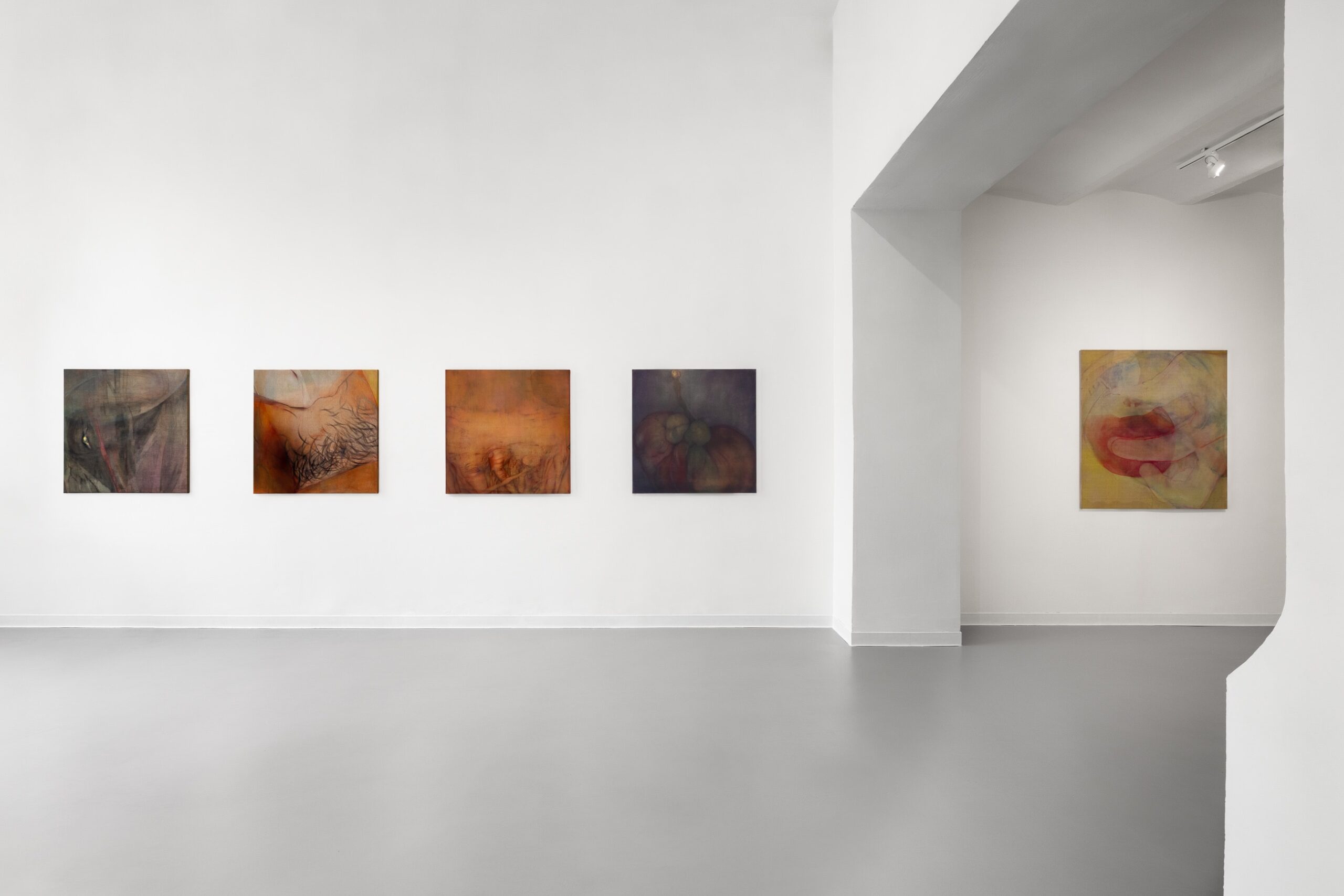
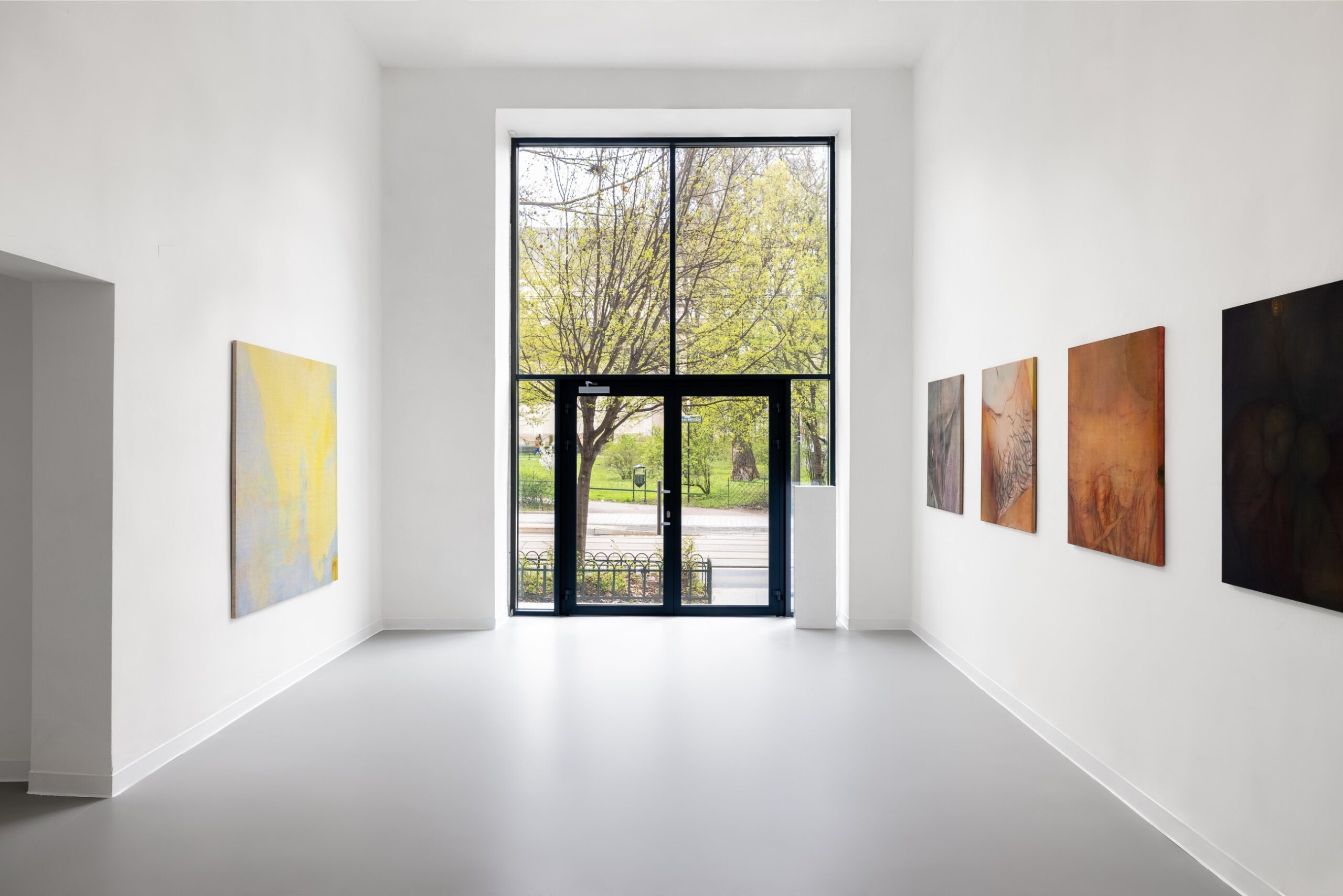
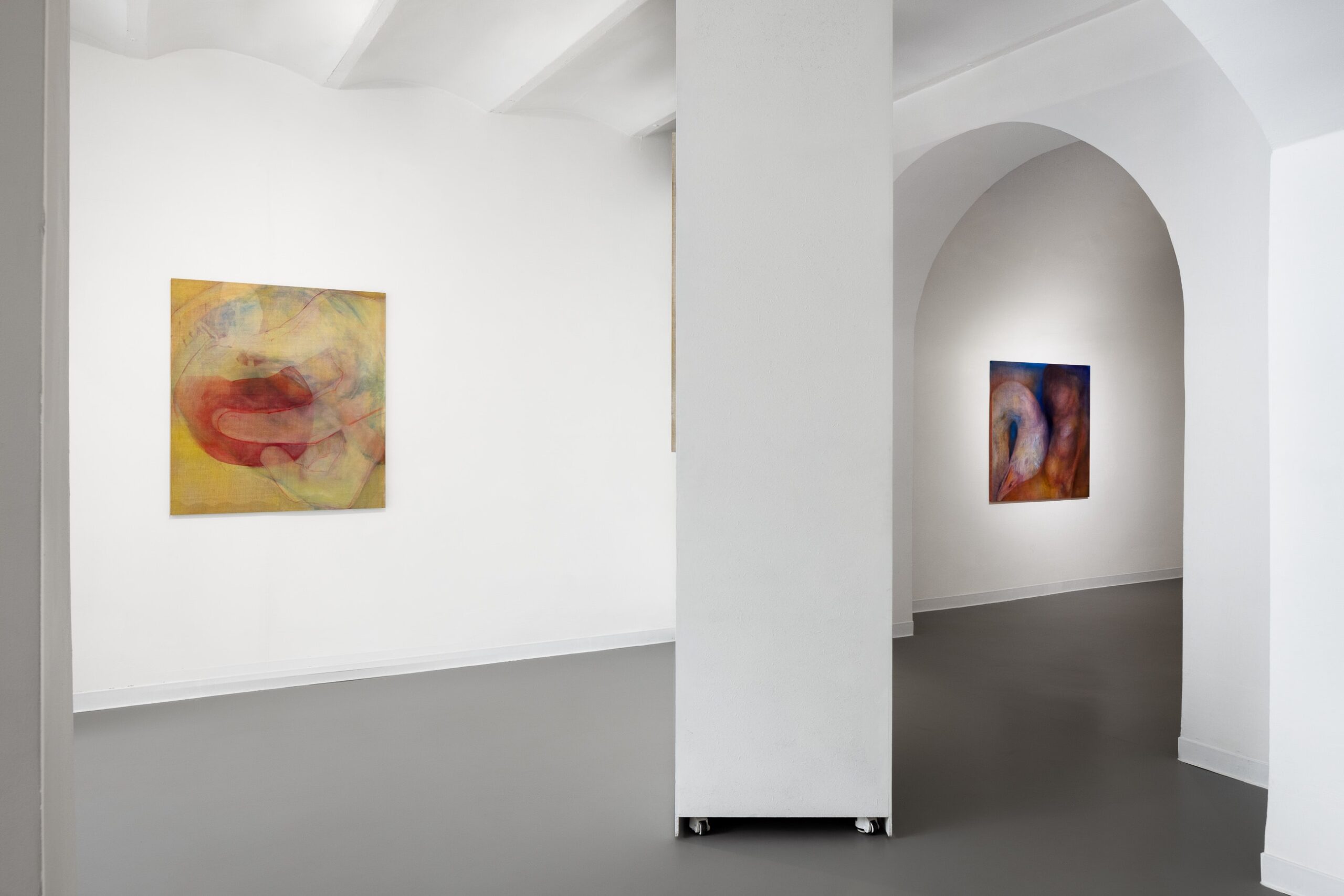
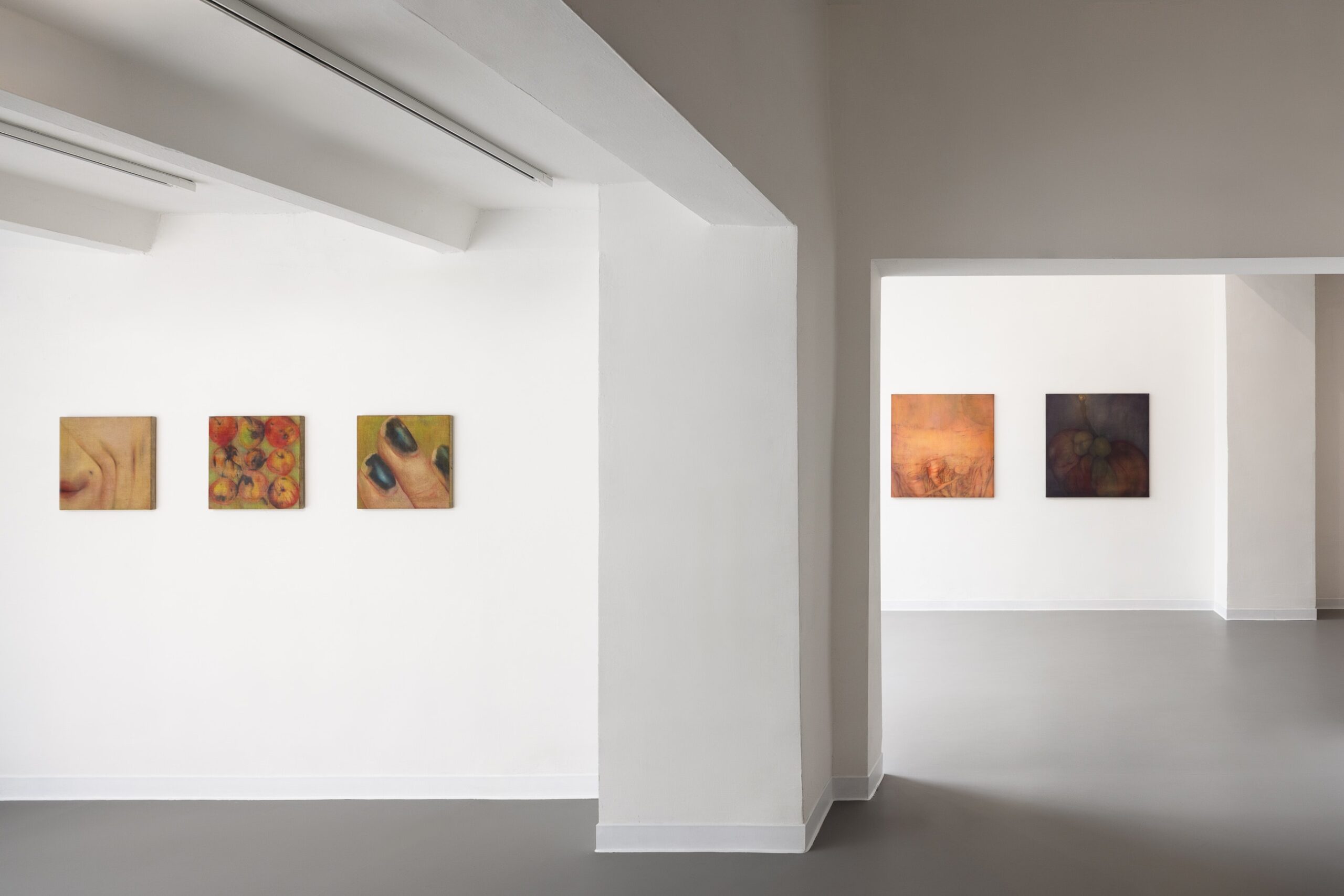
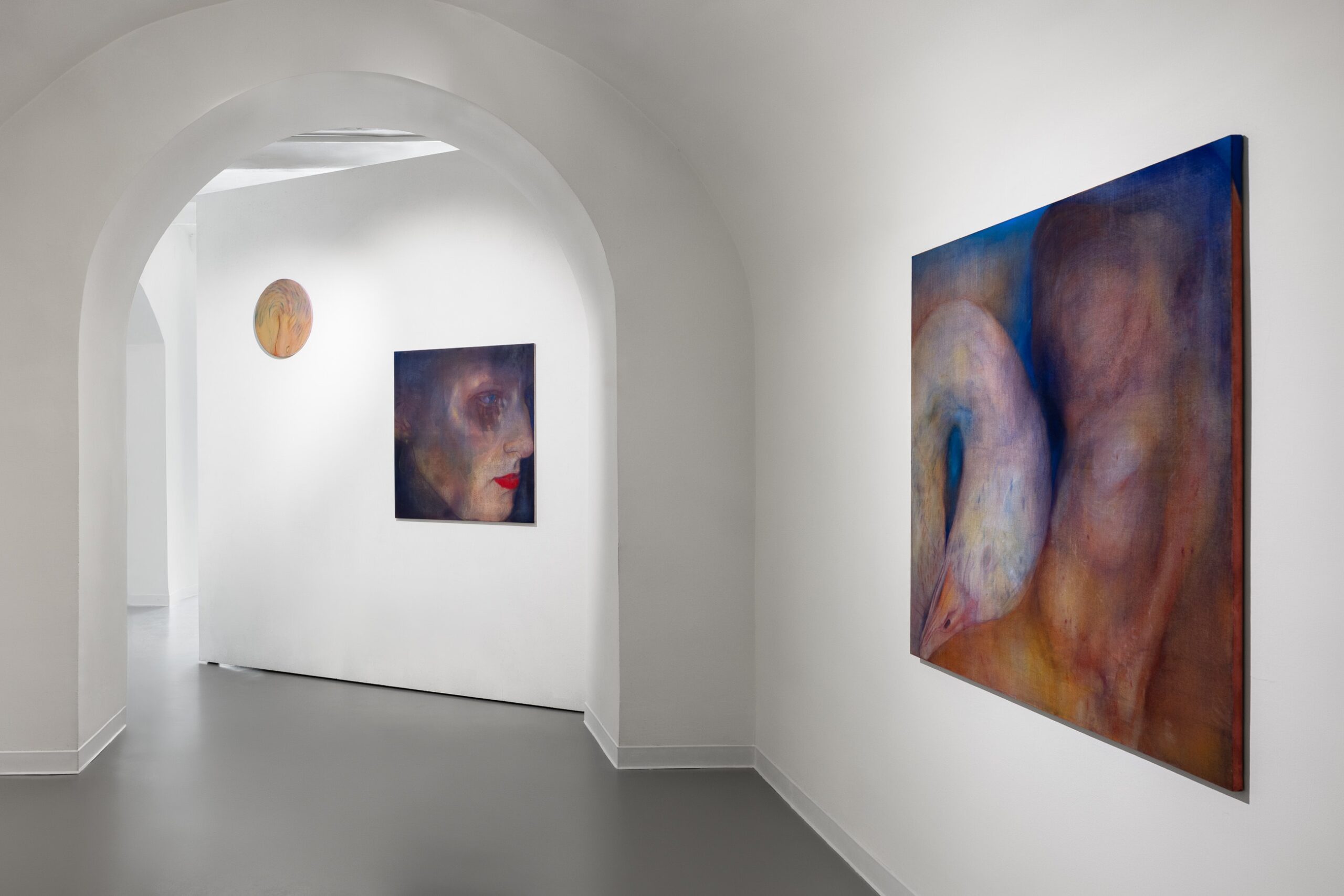
Zuzanna Szary composed her most recent solo exhibition — last year’s Tender Buttons at BWA Ostrowiec Świętokrzyski — around the figure and work of Gertrude Stein. The artist was inspired by the American writer’s relationship with Alice B. Toklas, their life together, the home they shared, and the space they experienced in common. The starting point was Stein’s own literary output, which as a result became the undisputed protagonist of the story told through the exhibition — an exhibition-as-story whose very title was a quotation from Stein’s book published in 1914. That book is perhaps the most important achievement of lesbian modernist literature, in which fragmentary and highly sensual descriptions of ordinary objects and spaces — food, rooms, furnishings — functioned as veiled representations of the female body and illustrations of lesbian sensuality. Zuzanna Szary — drawn to the intimate, sensuous, and embodied experience of domestic life shared by two women — brought together Stein’s modernist masterpiece from over a century ago and her own contemporary life and home, which she shares with another artist.
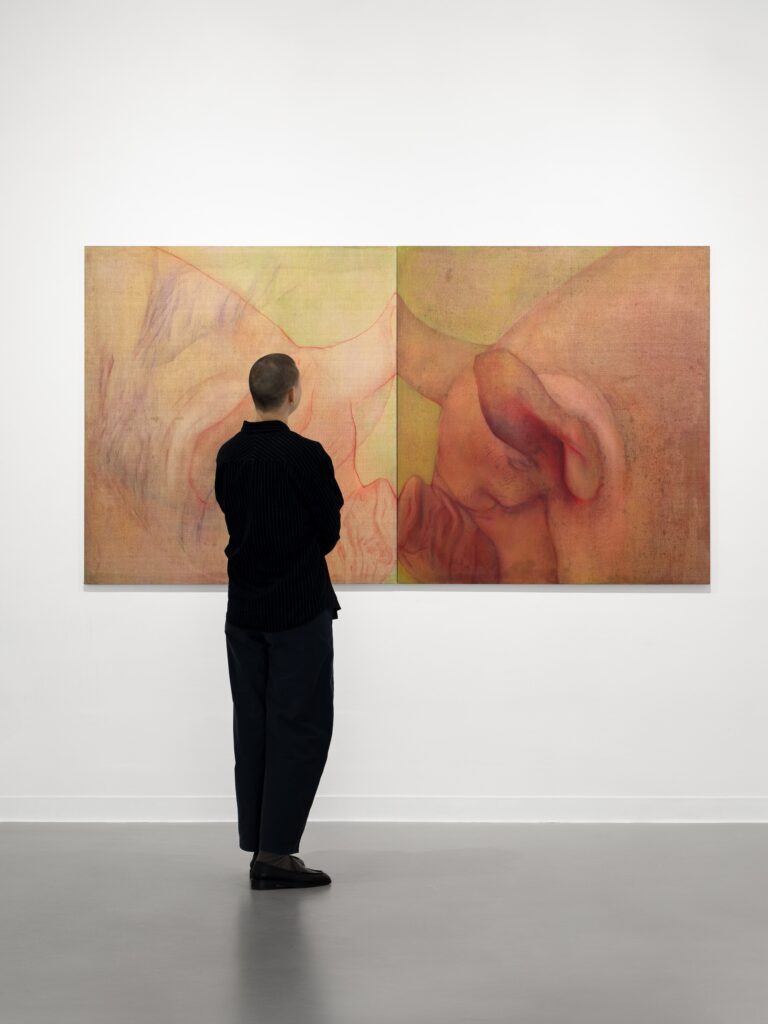
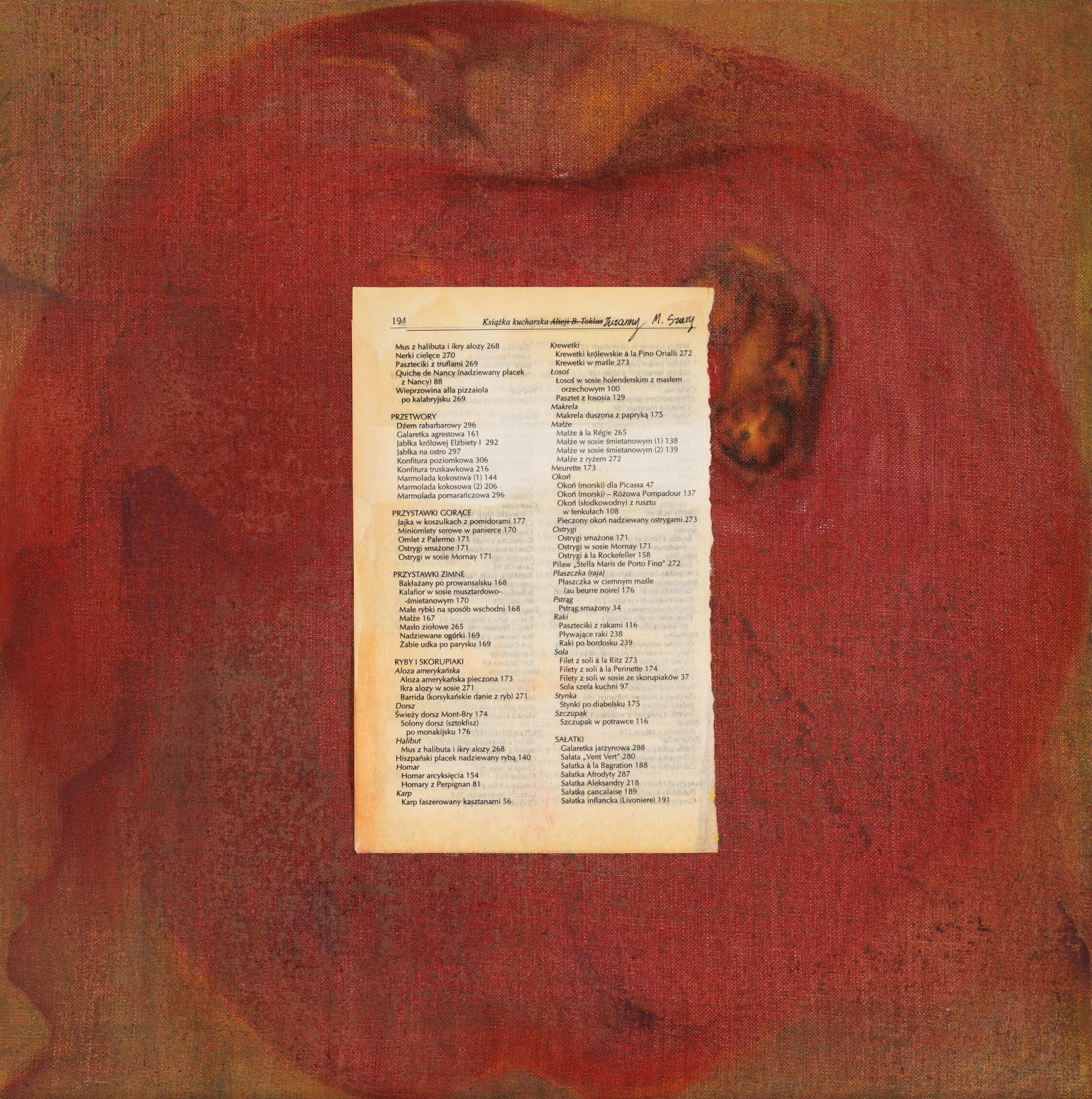
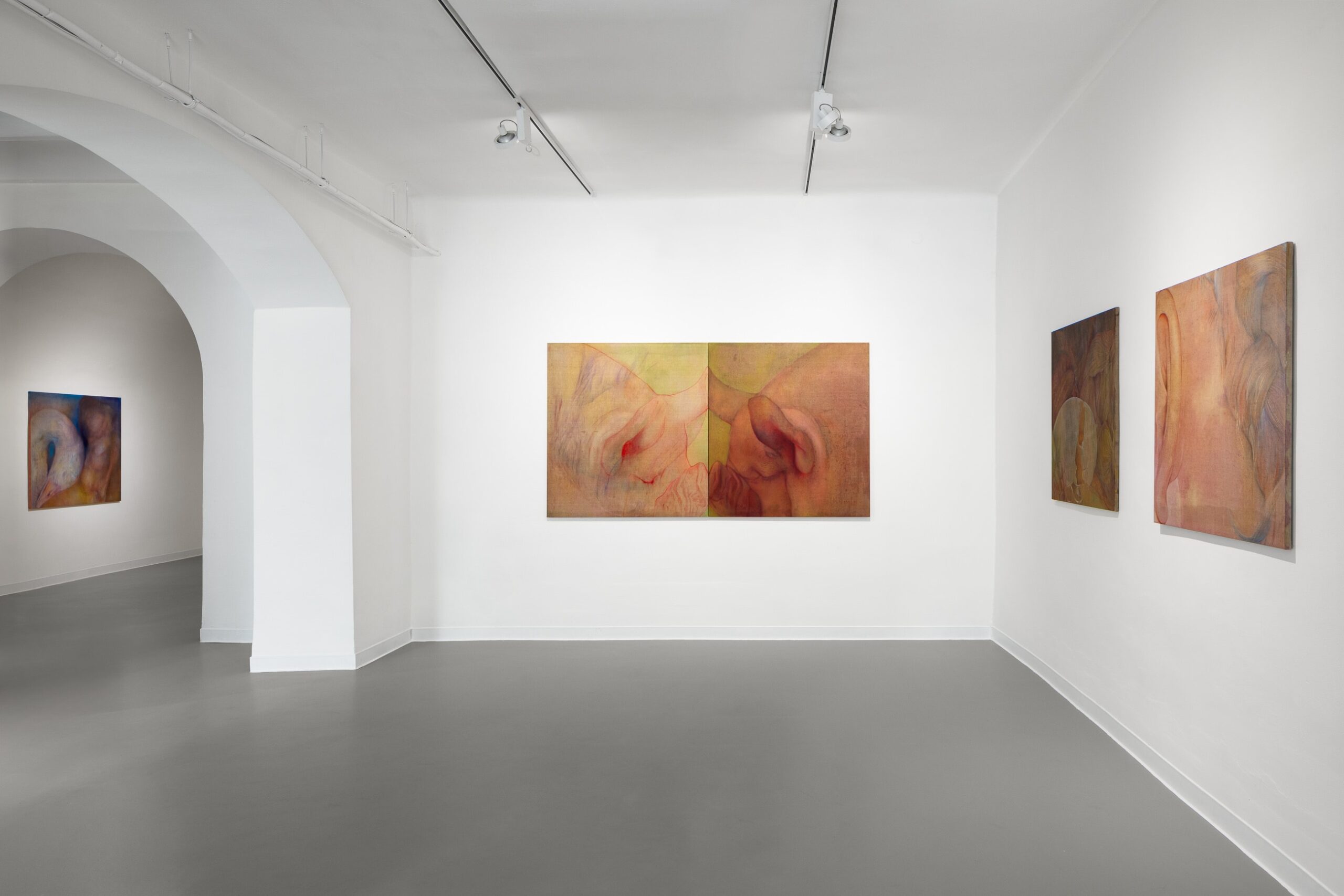
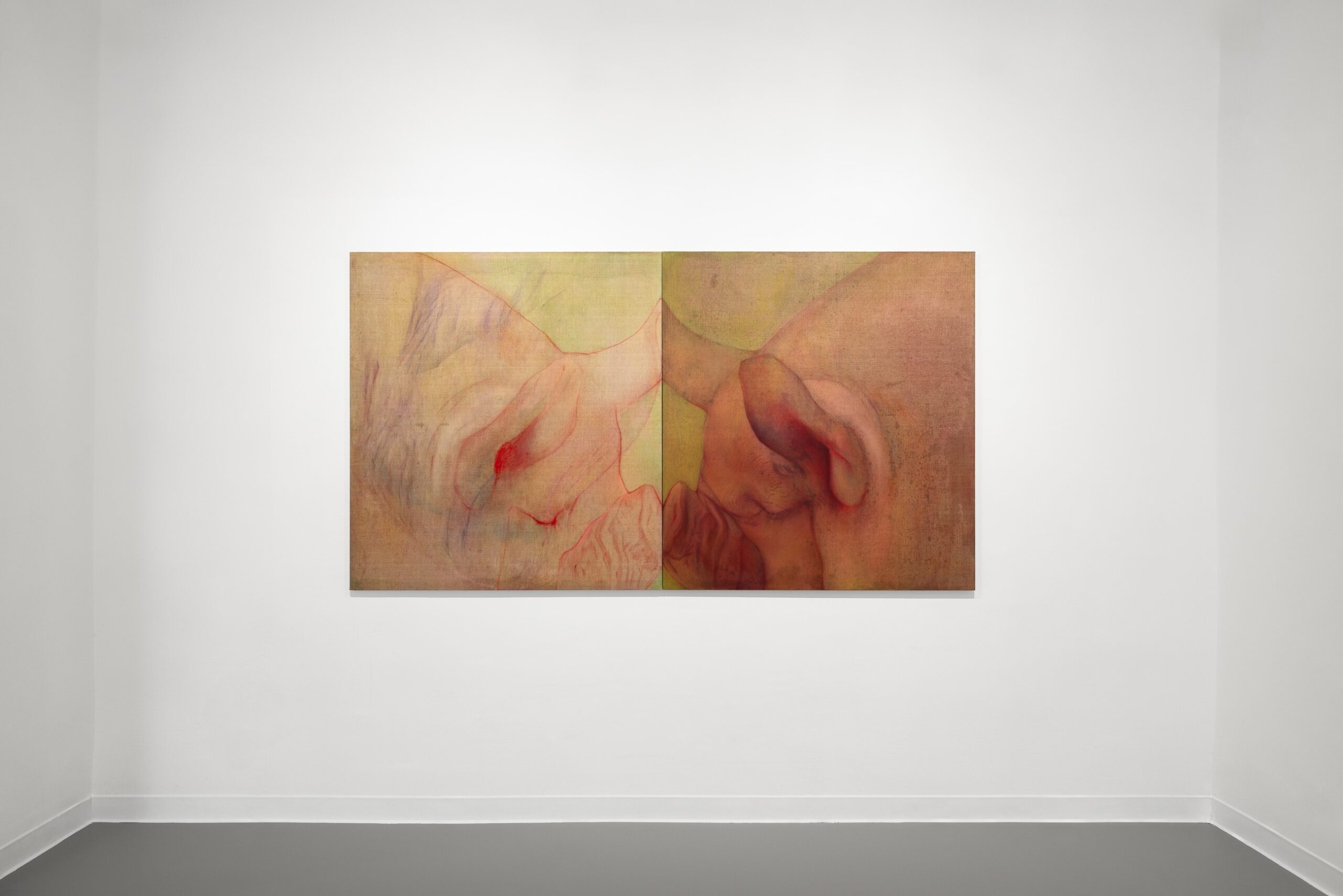
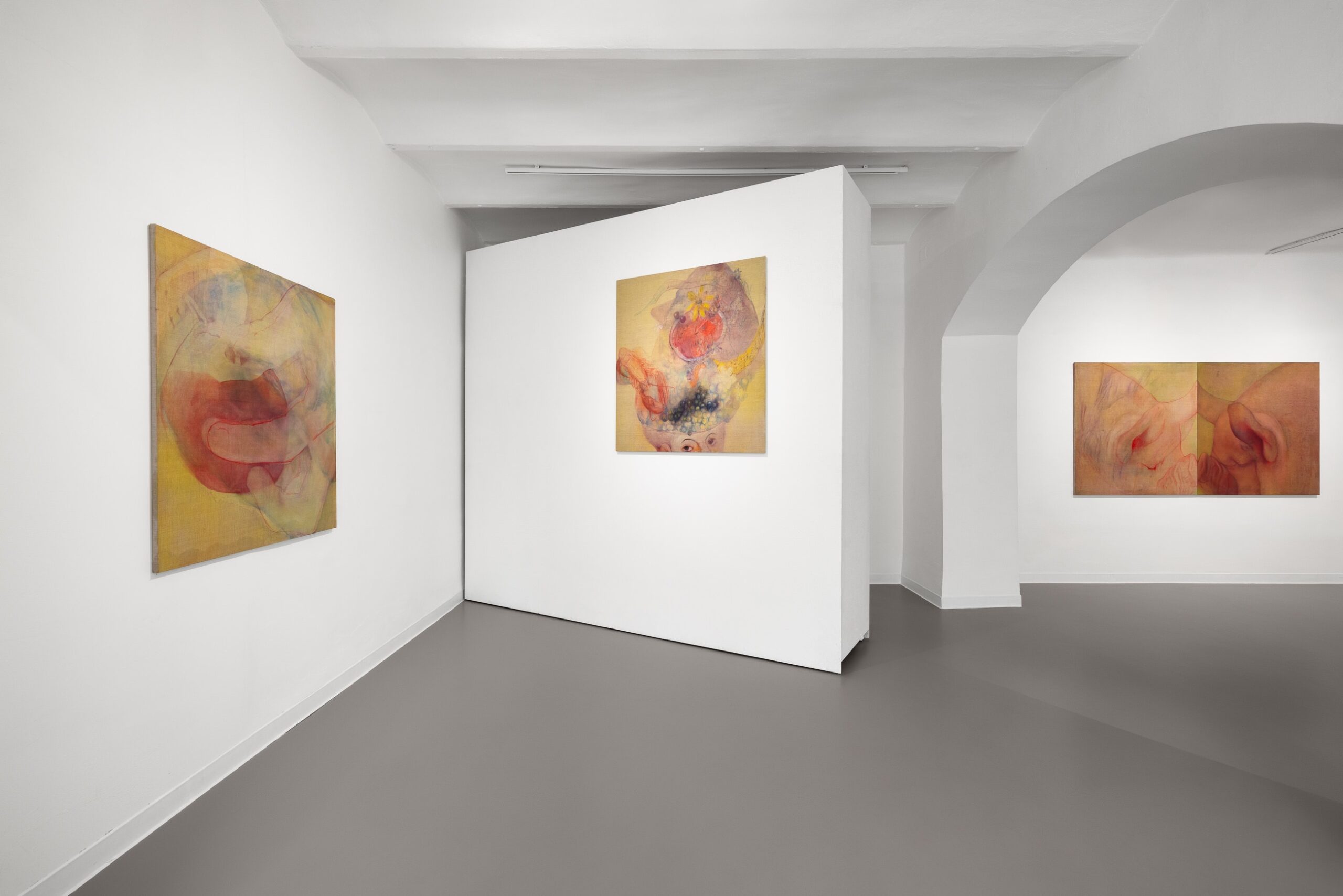
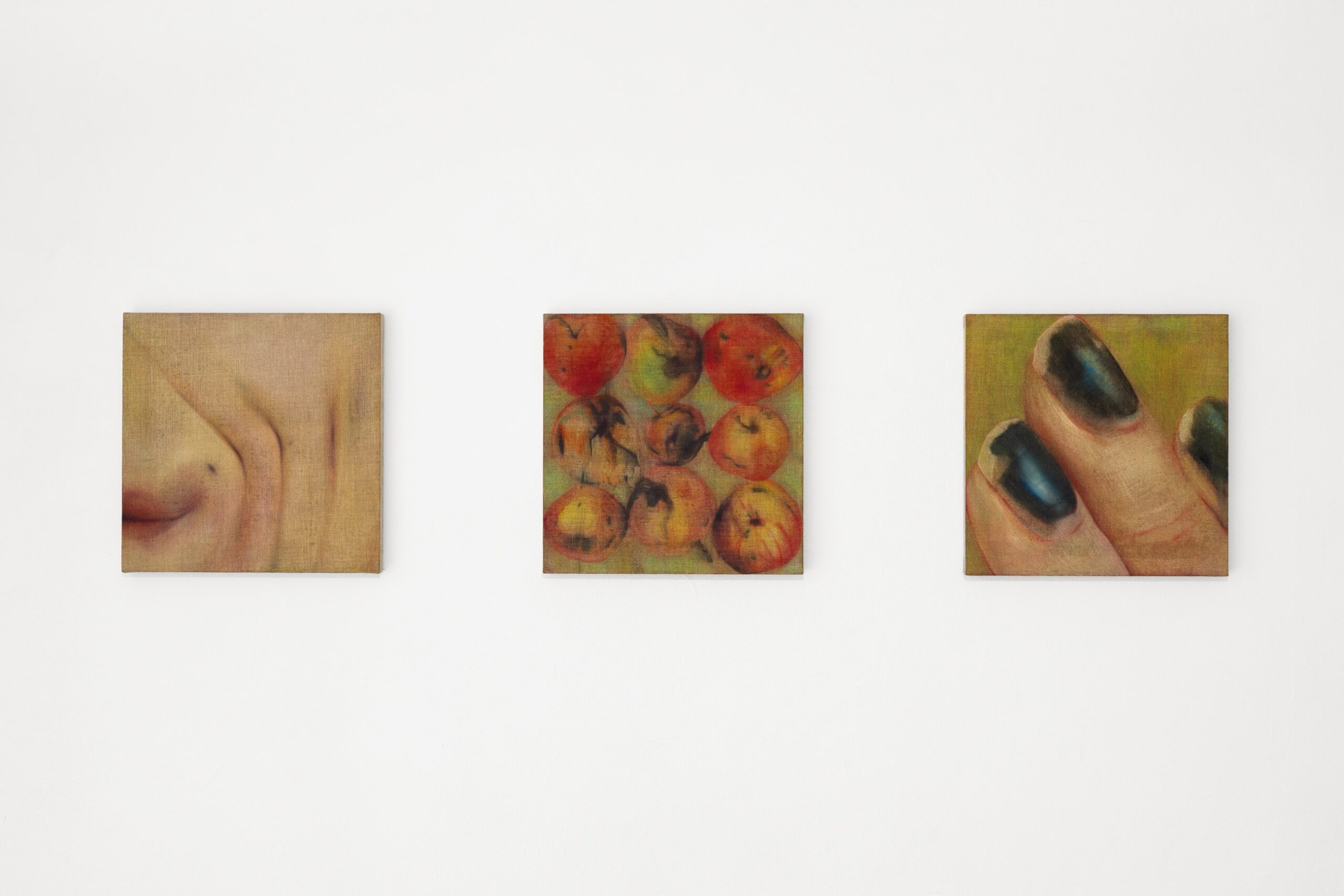
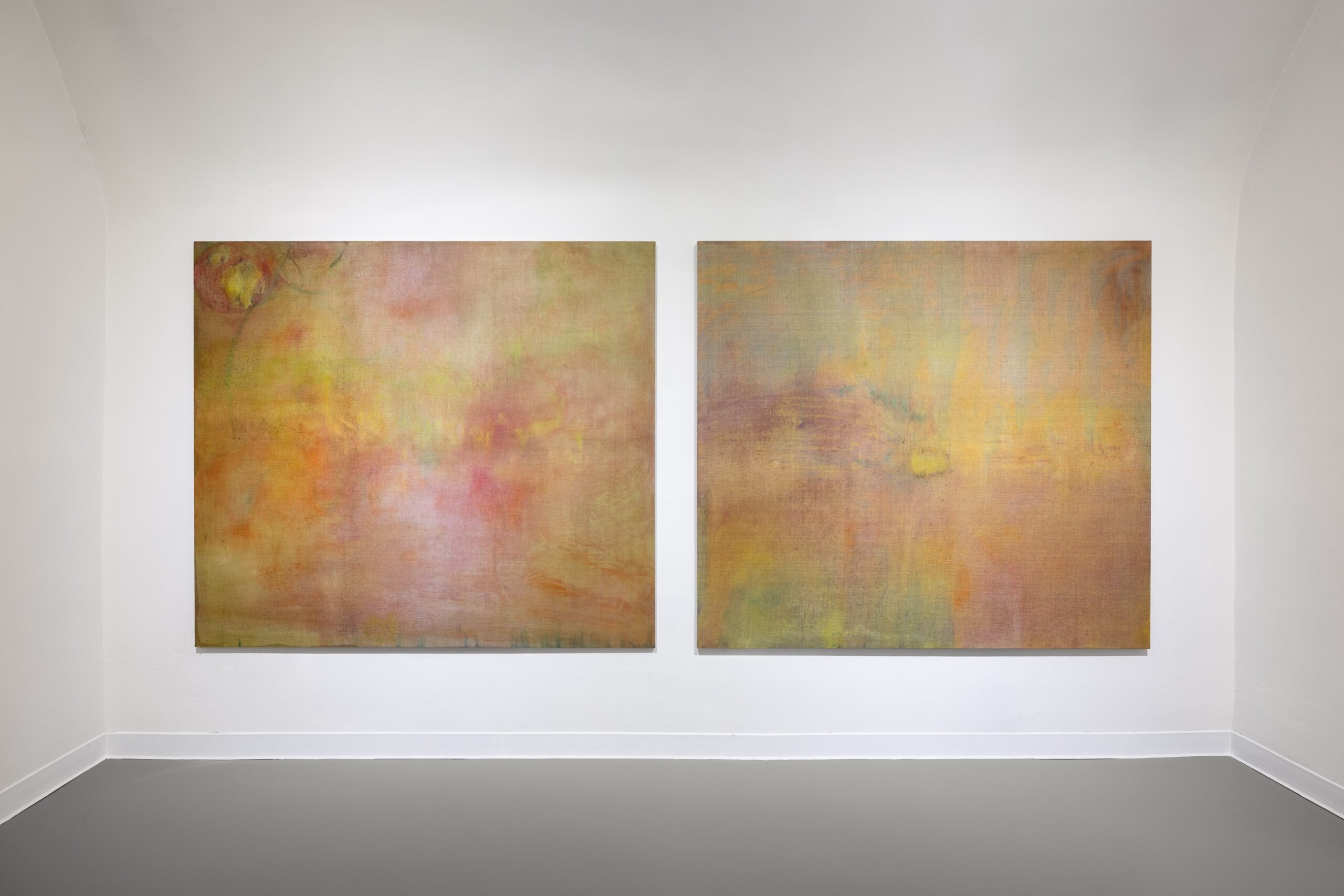
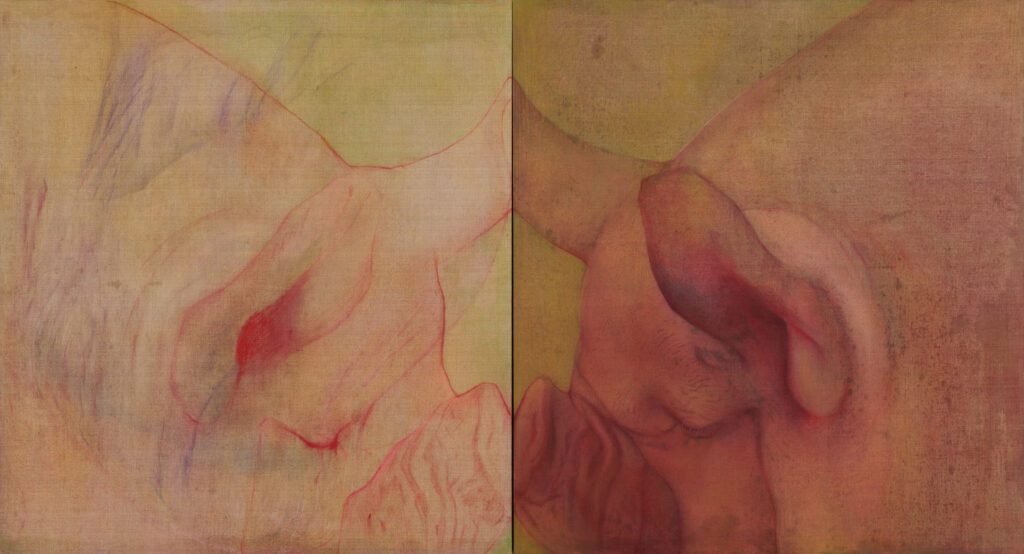
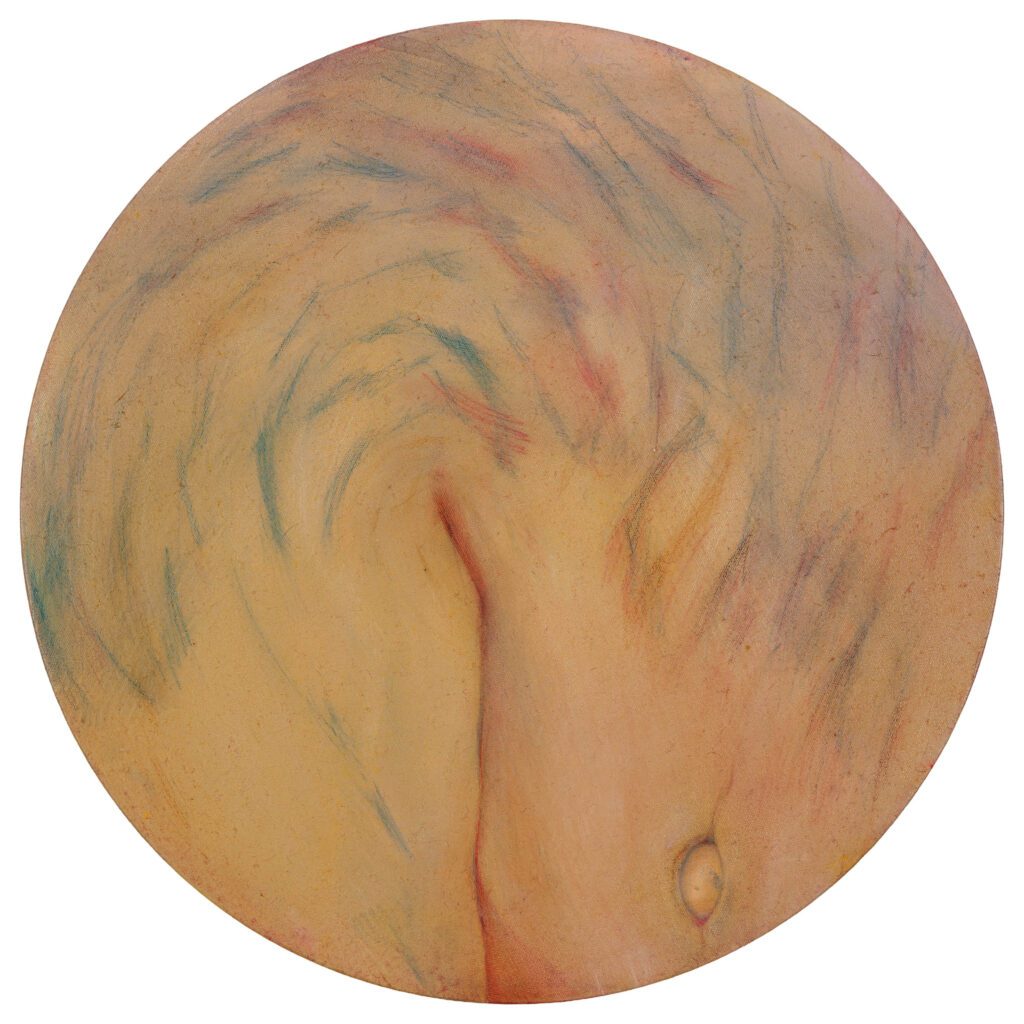
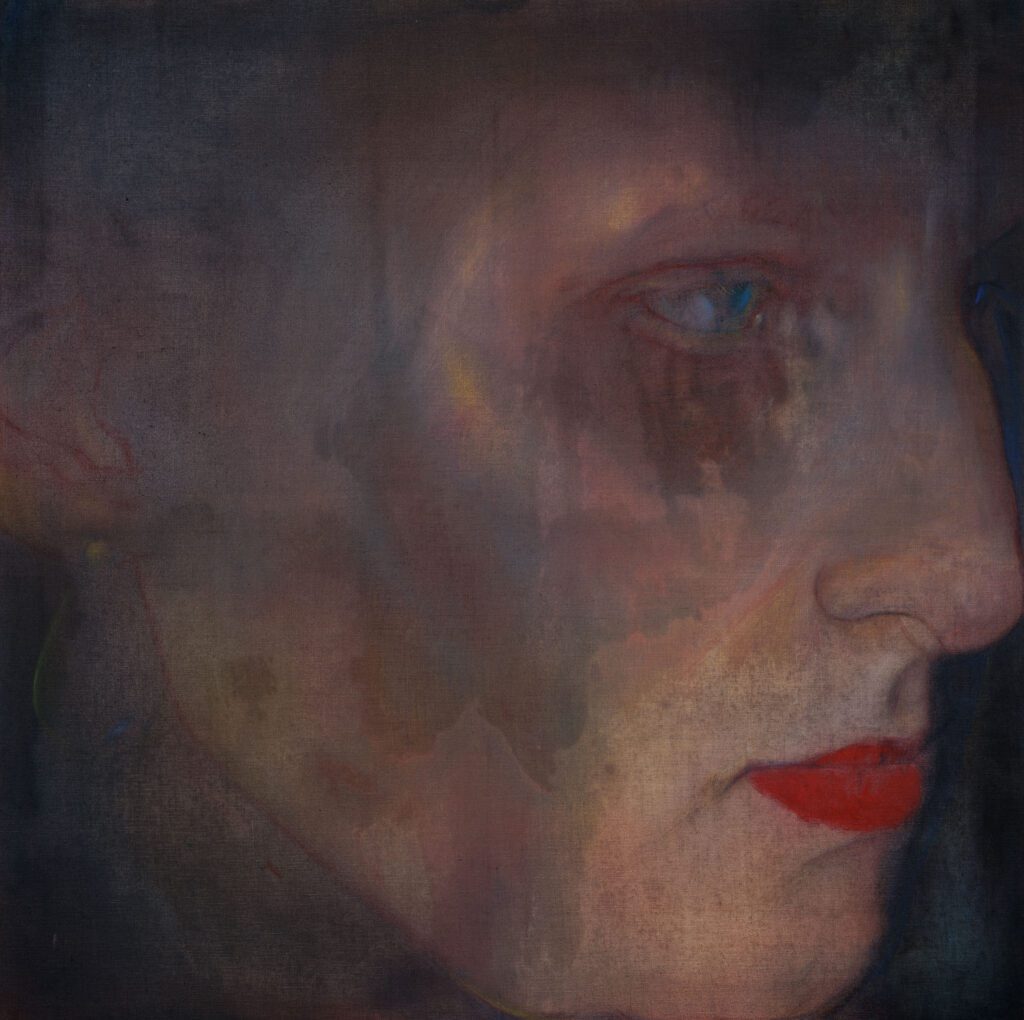
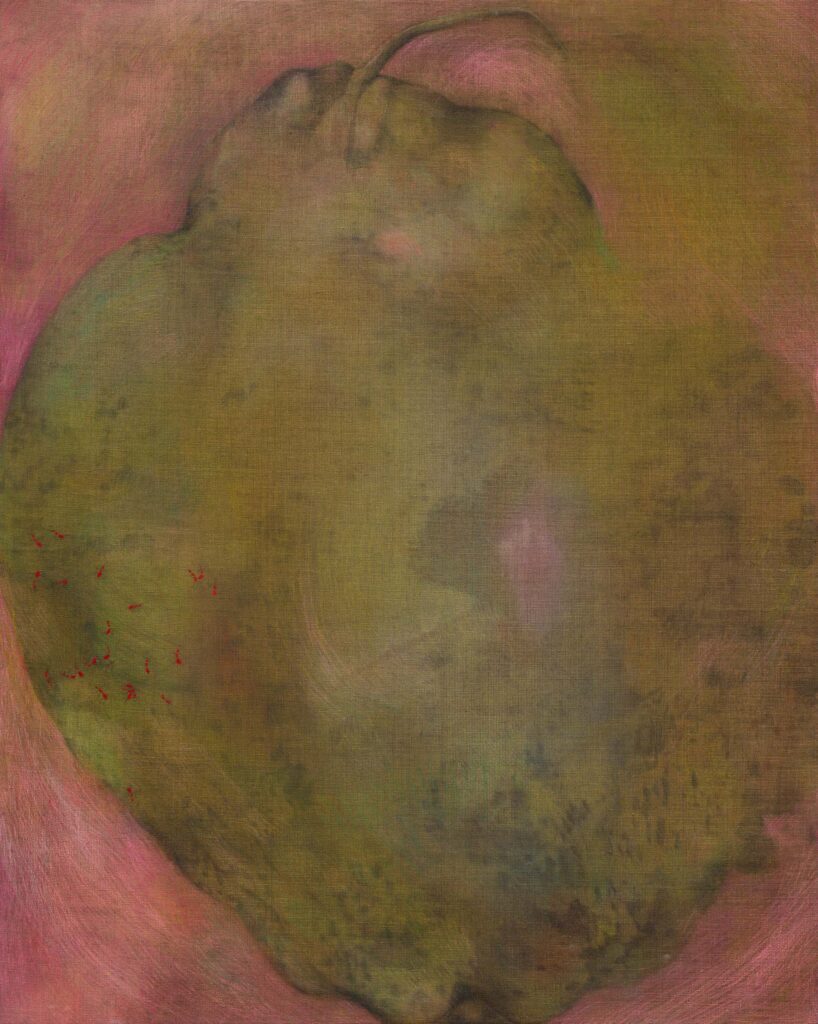
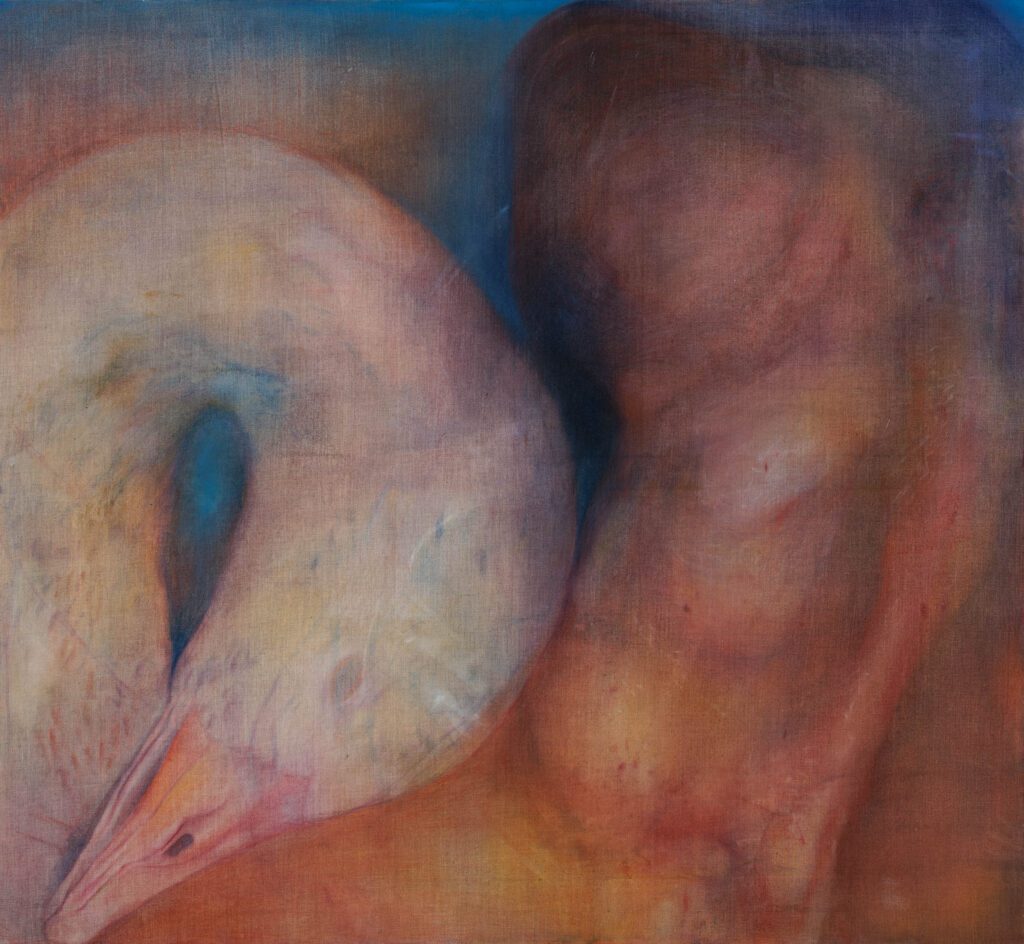
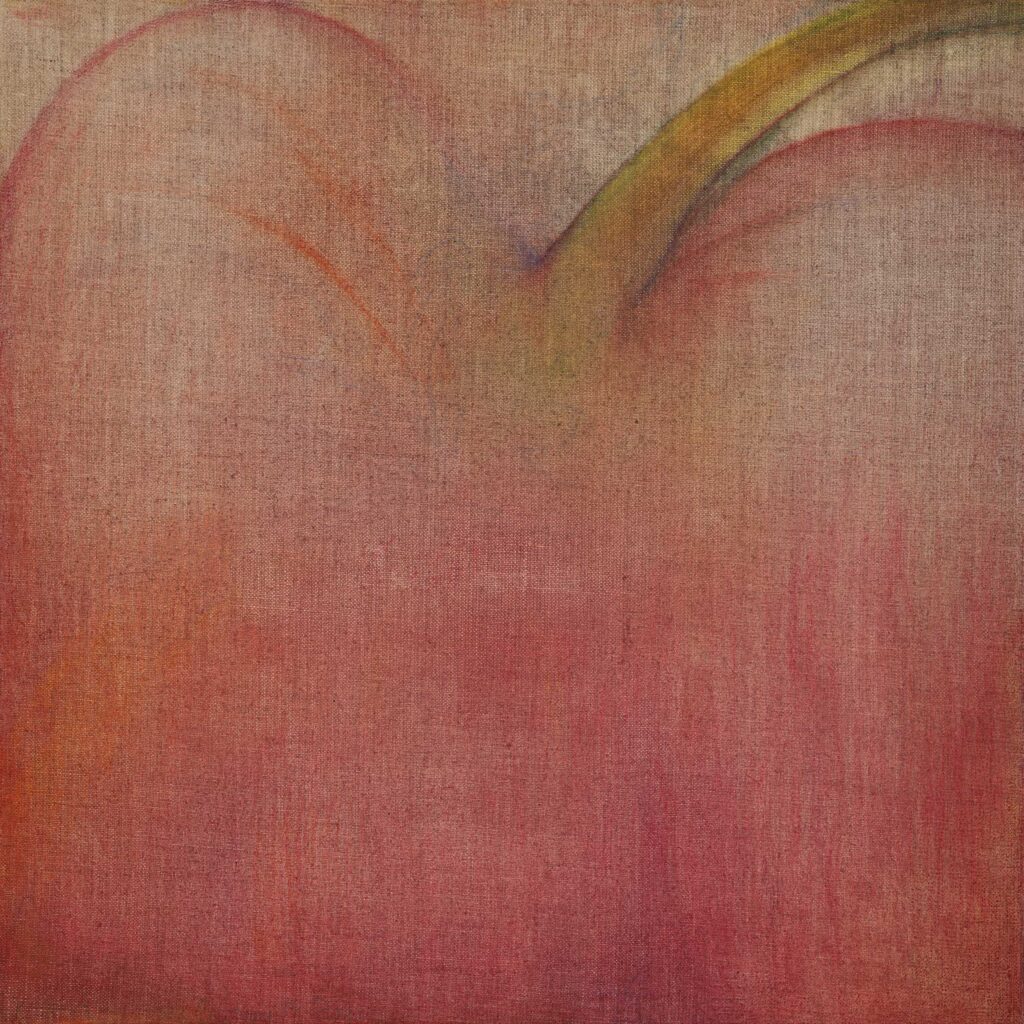
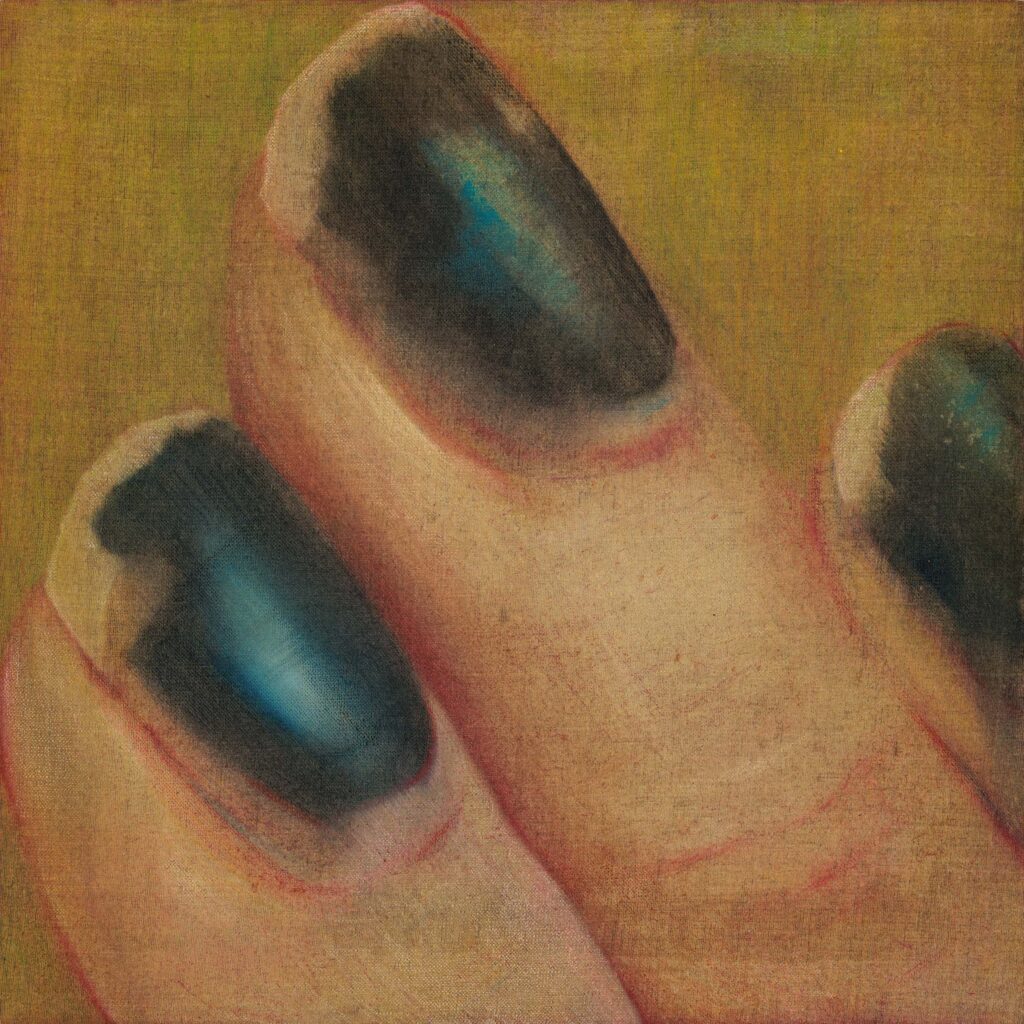
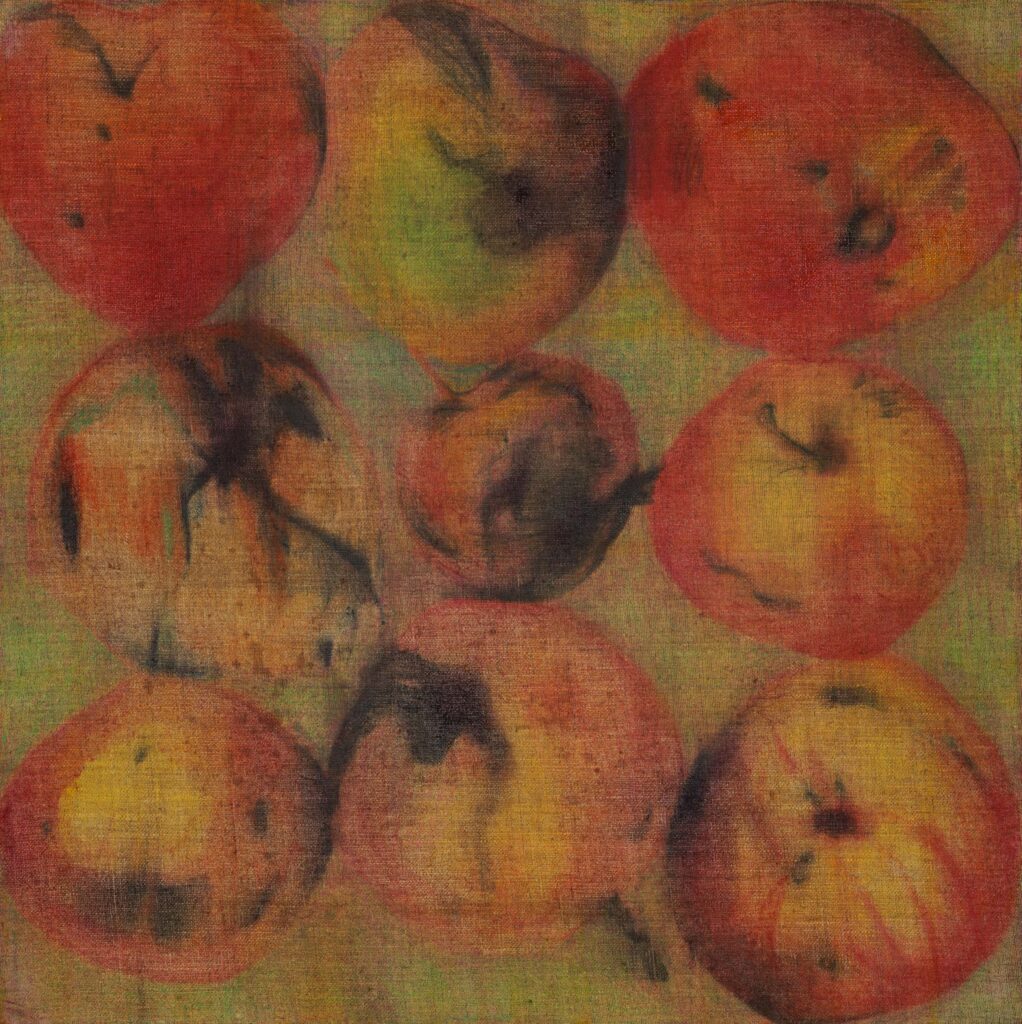
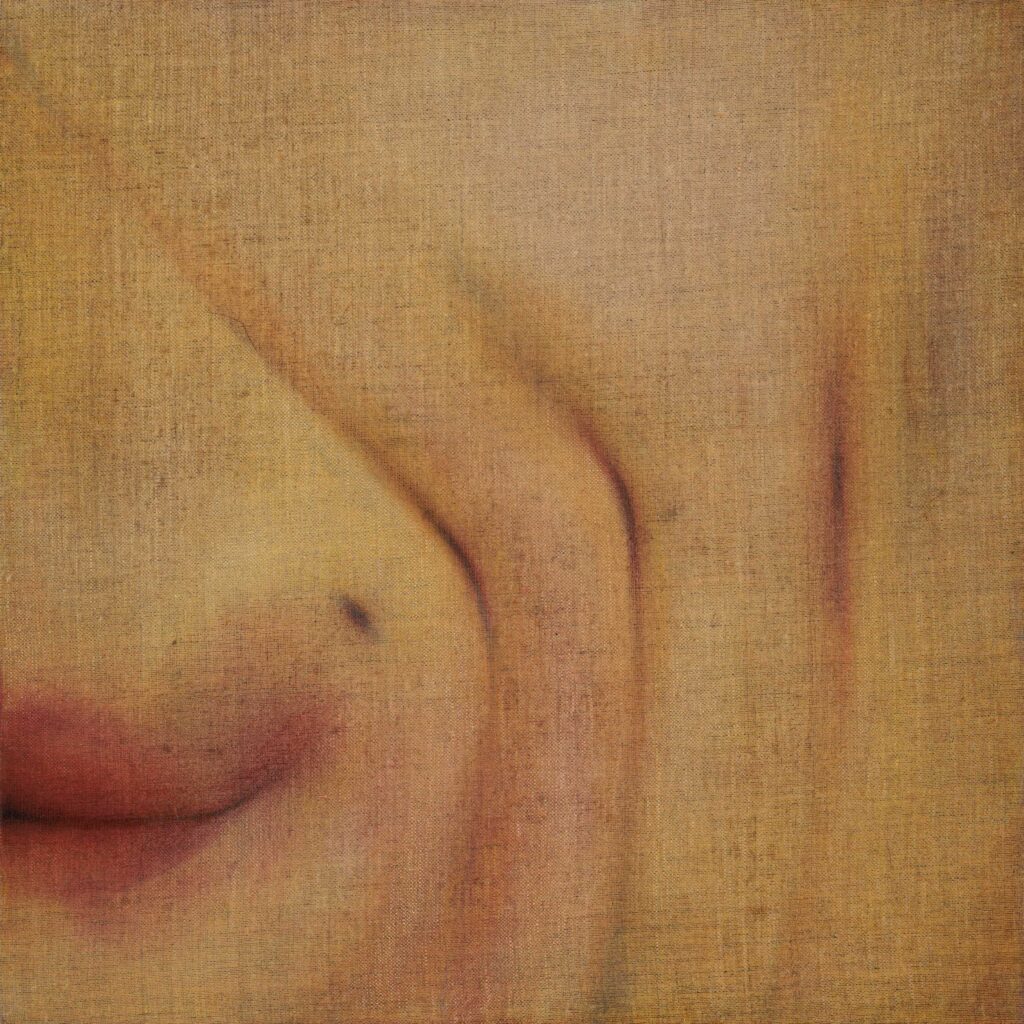
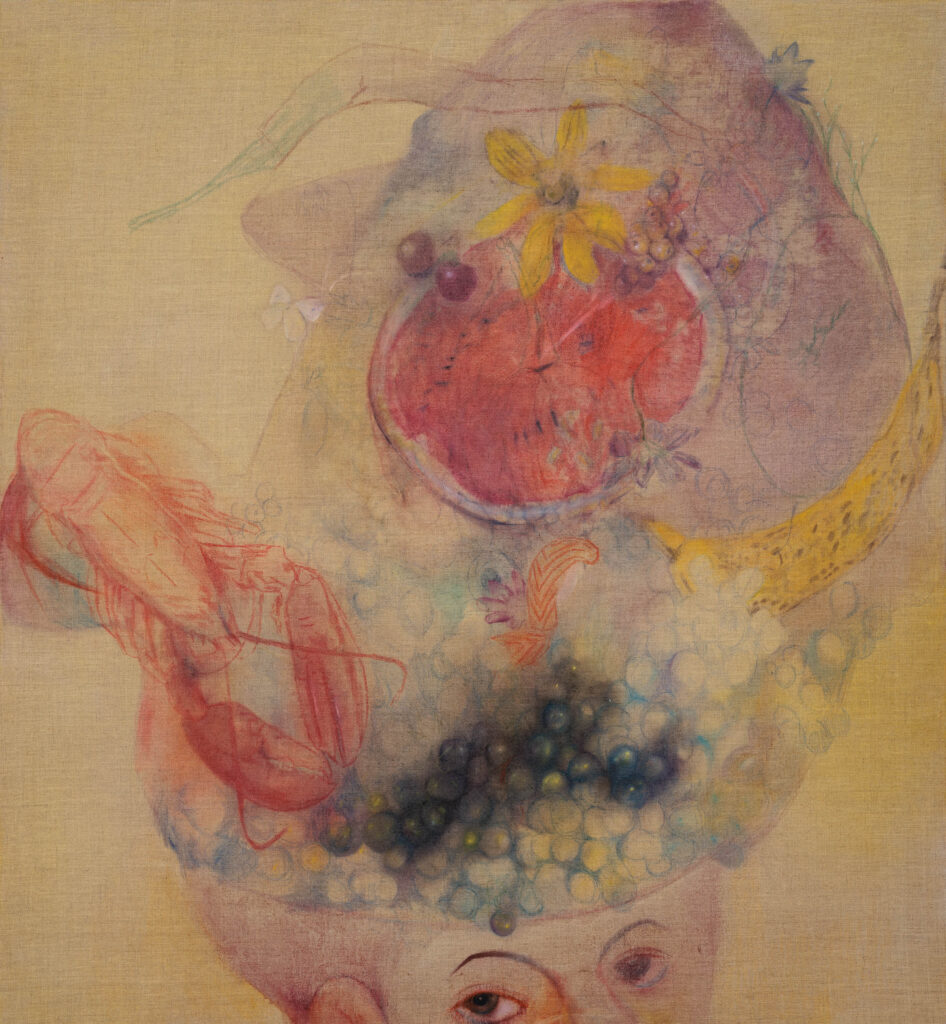
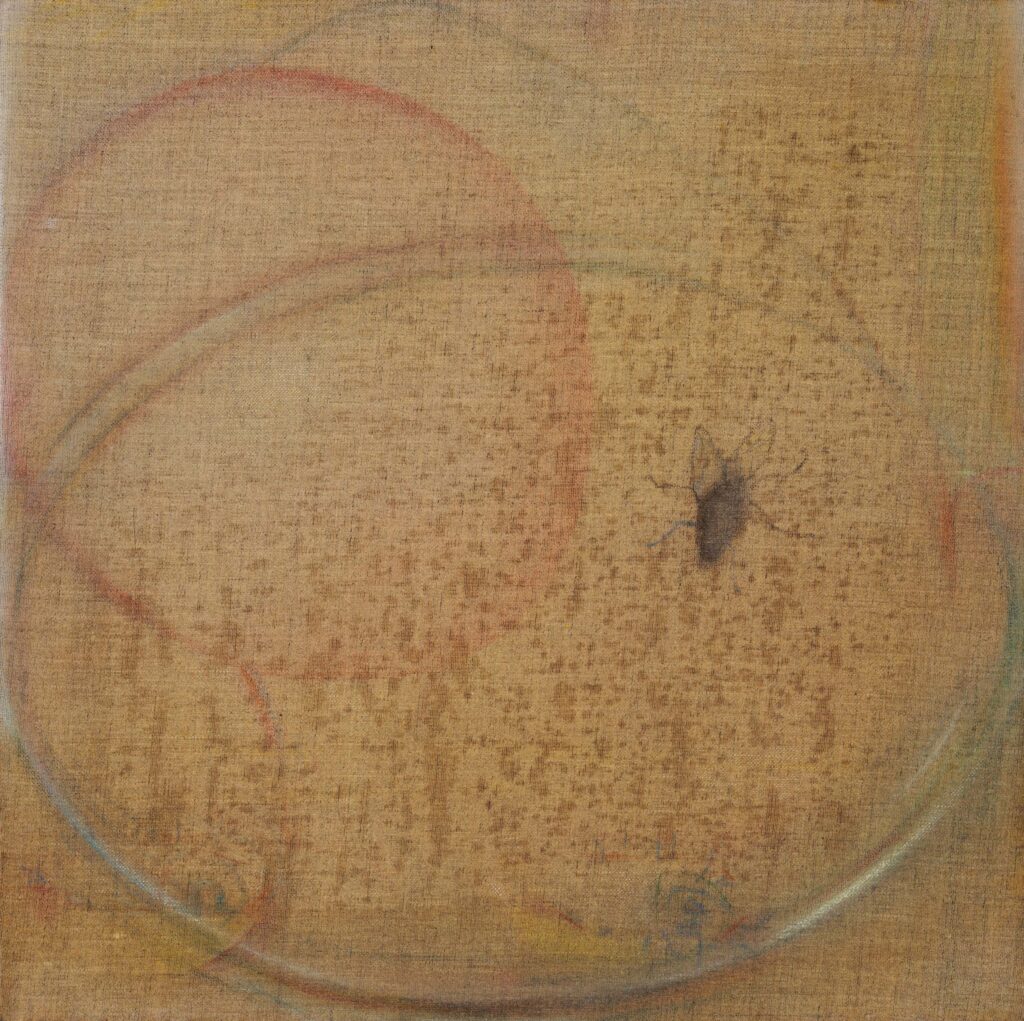
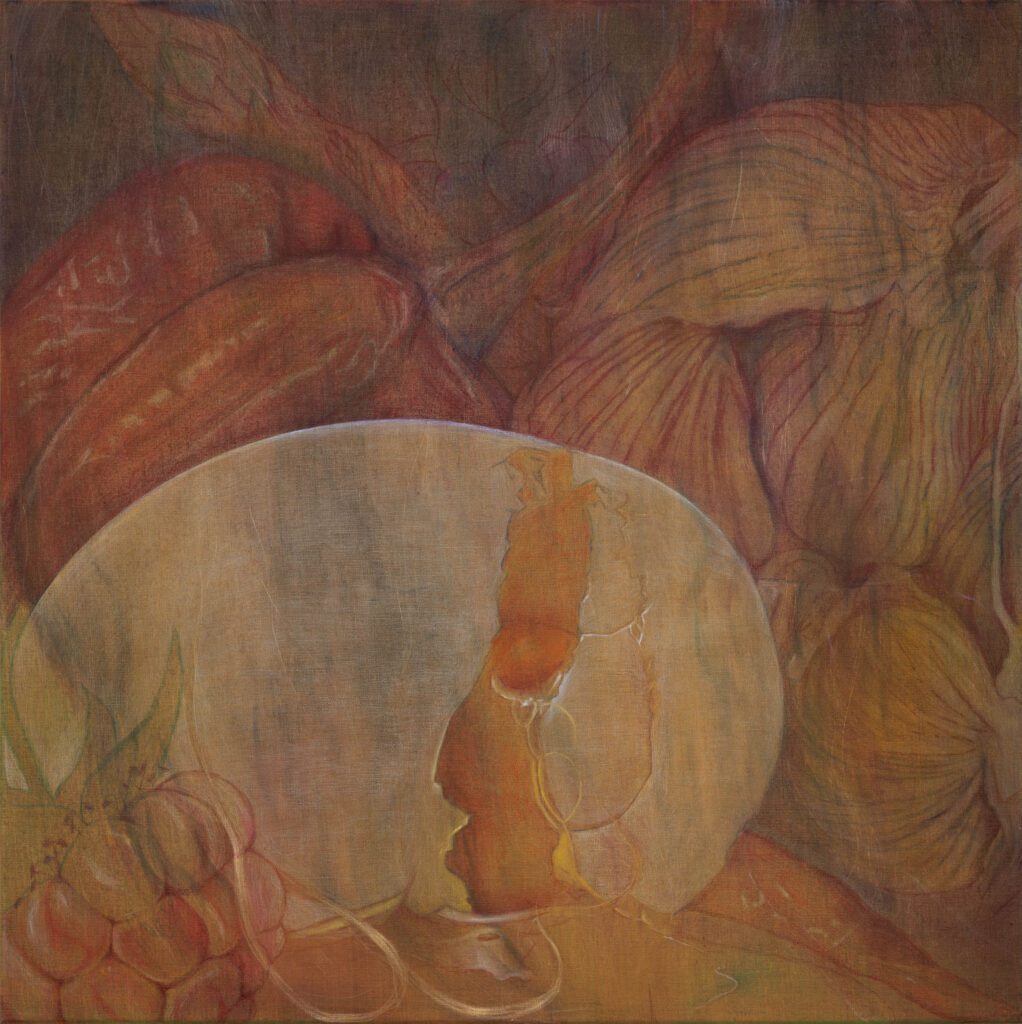
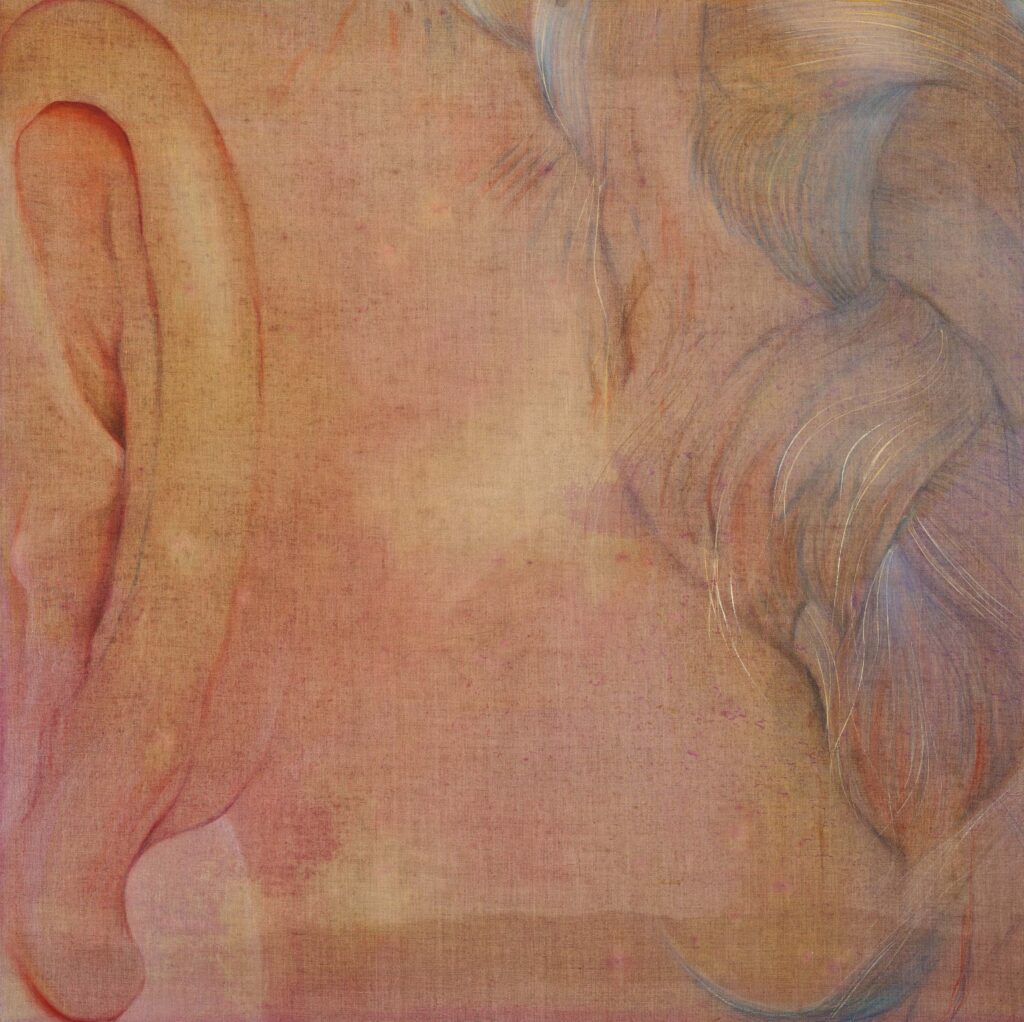
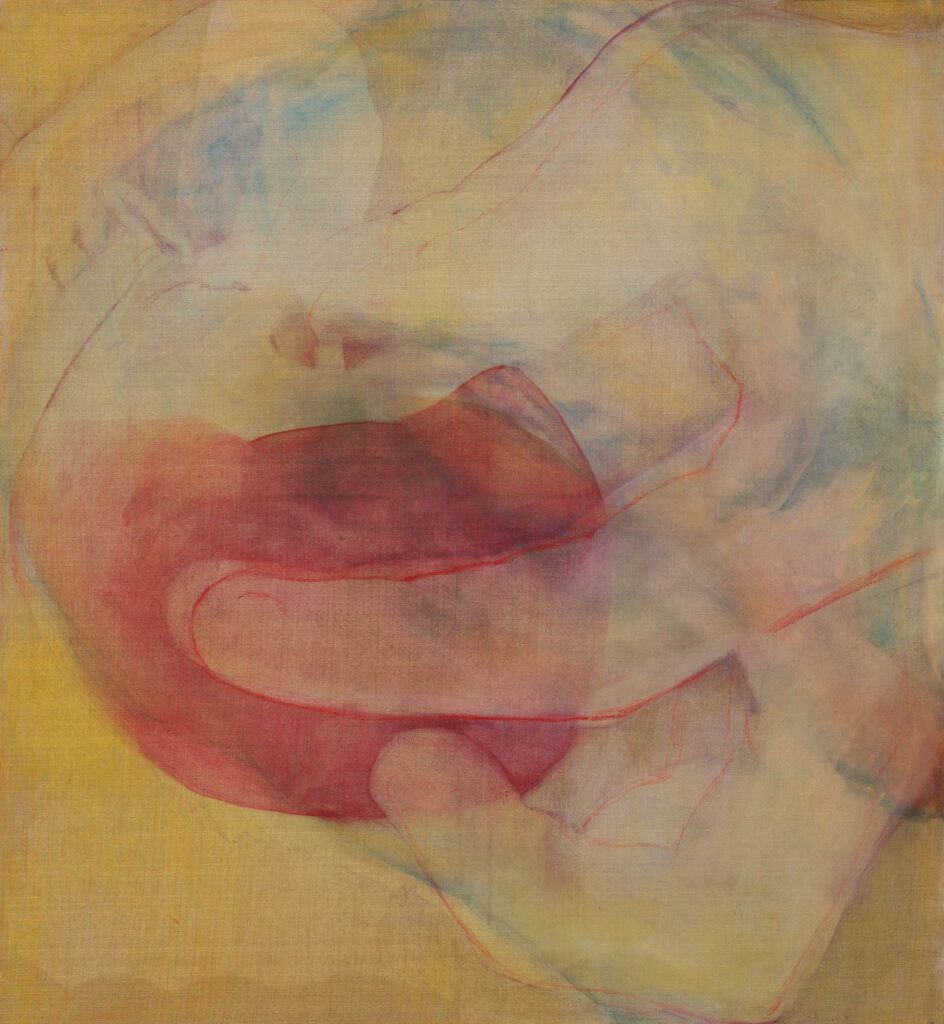
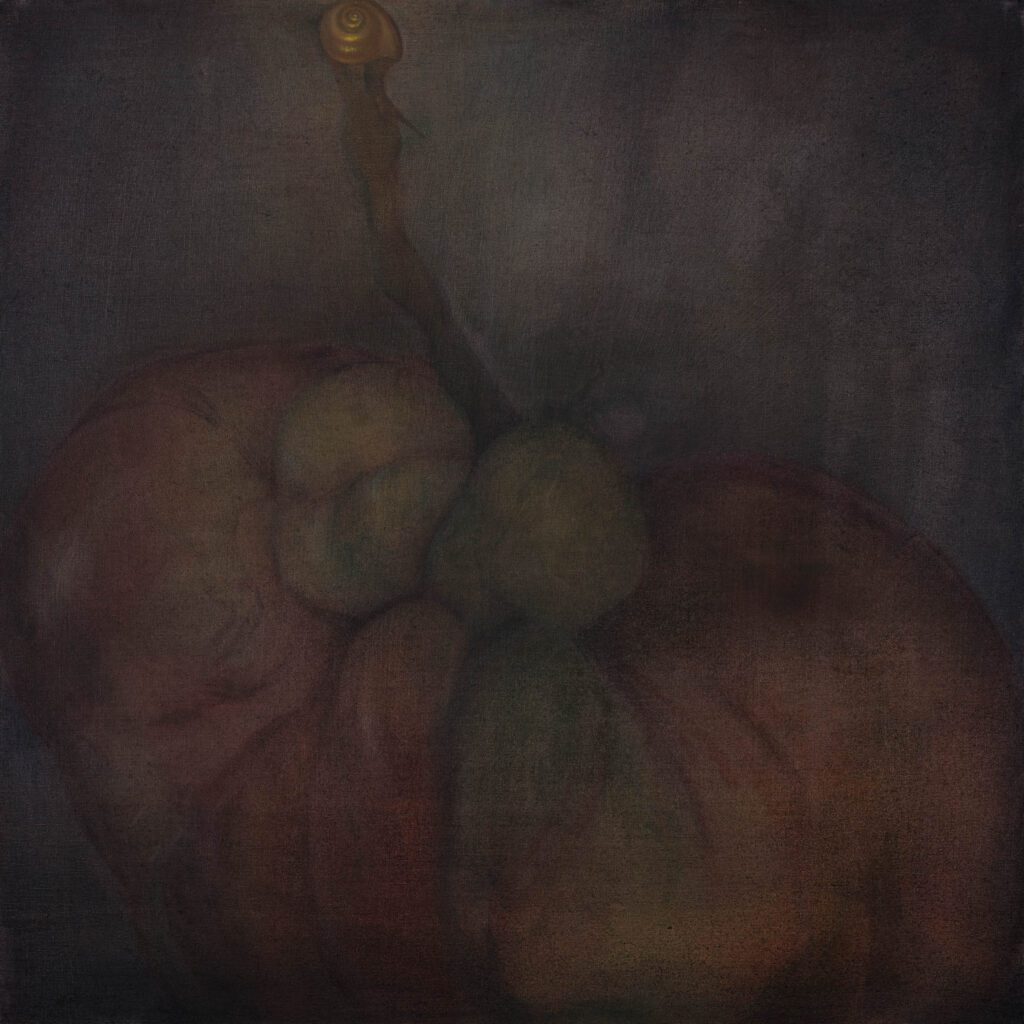
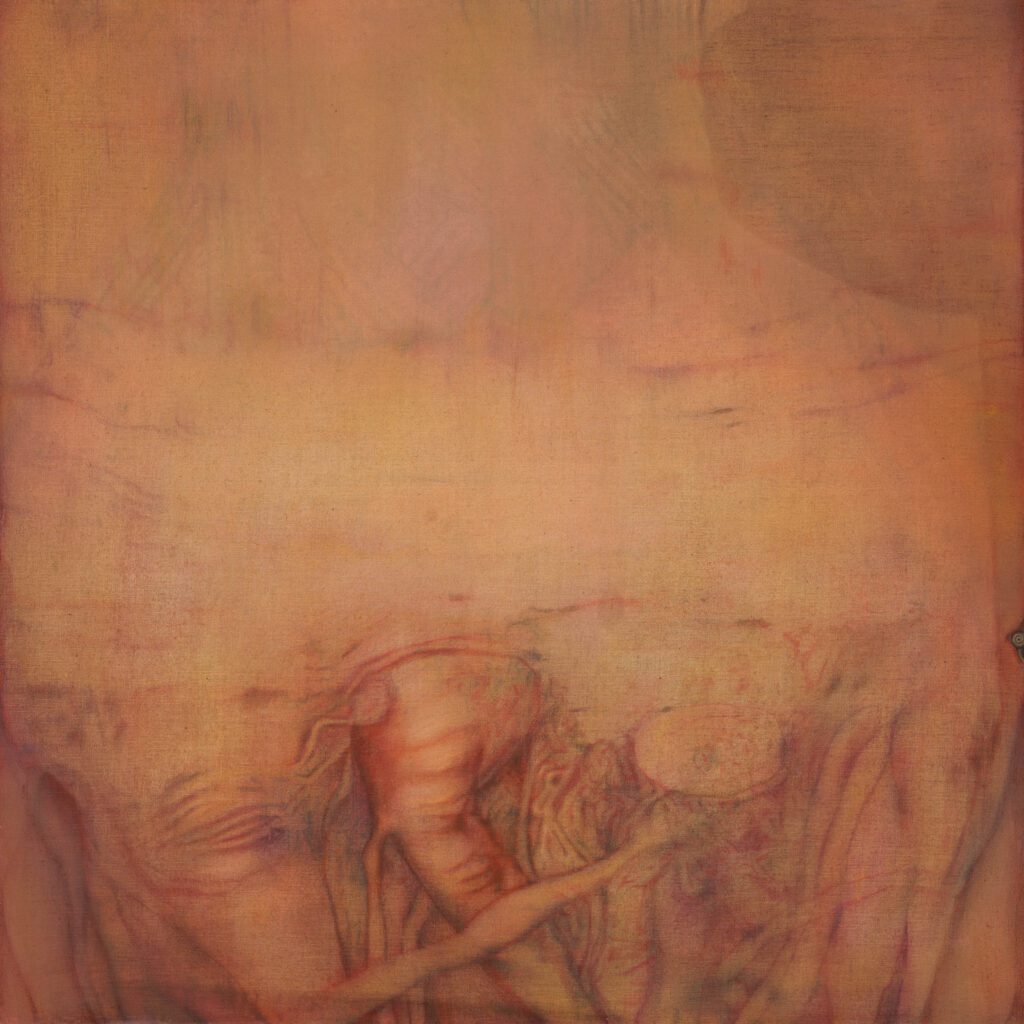
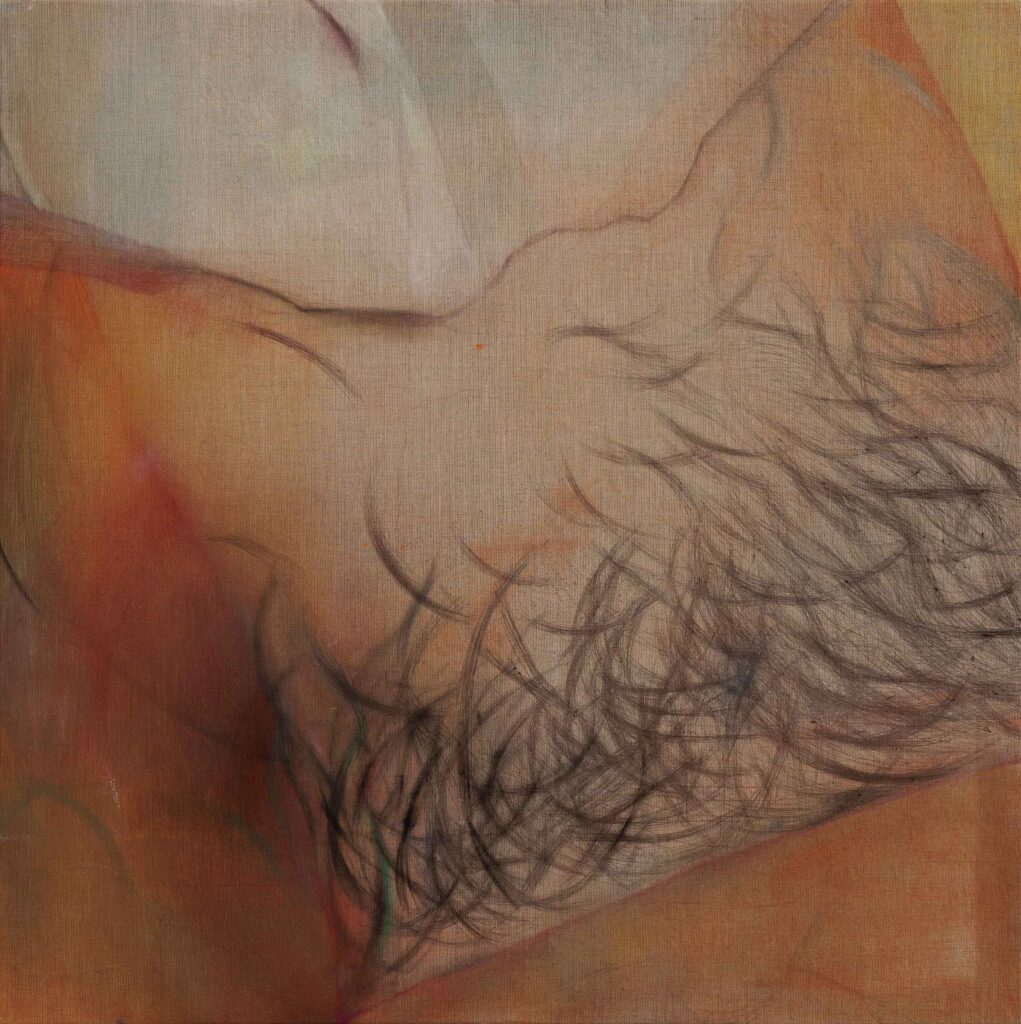
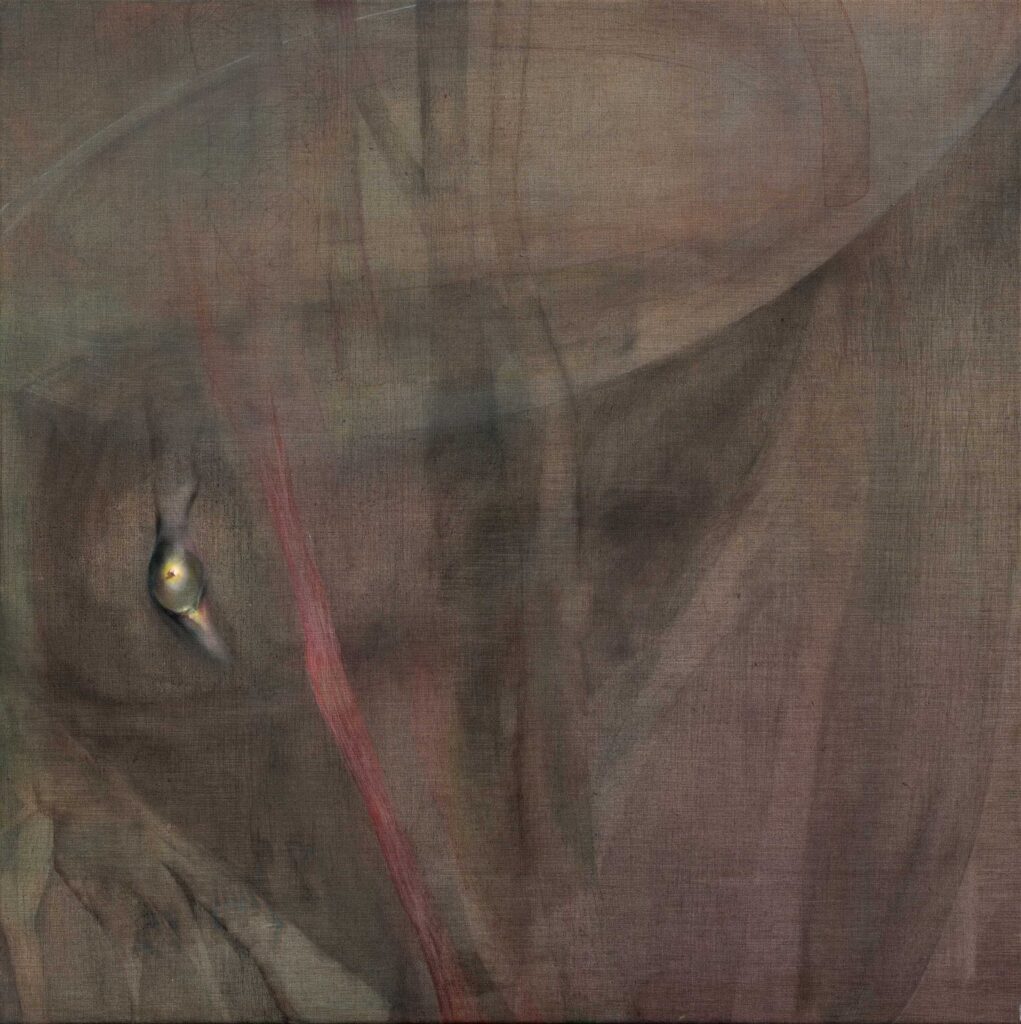
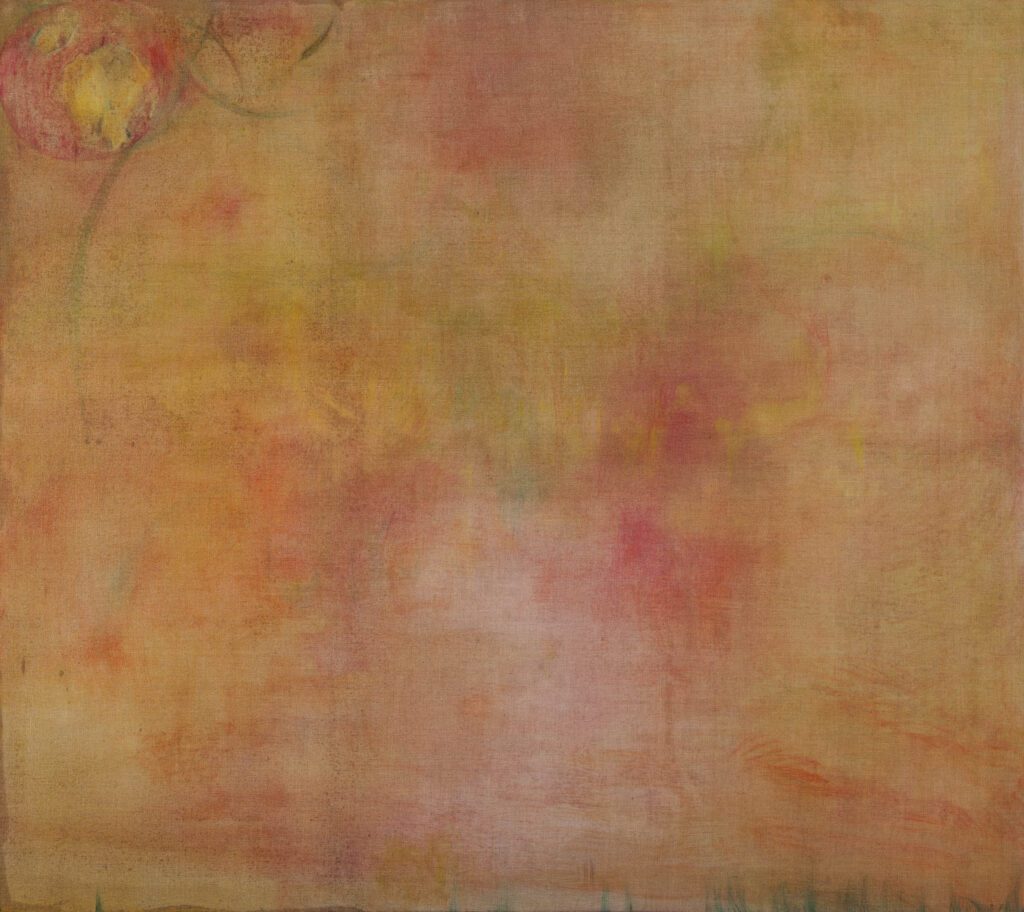
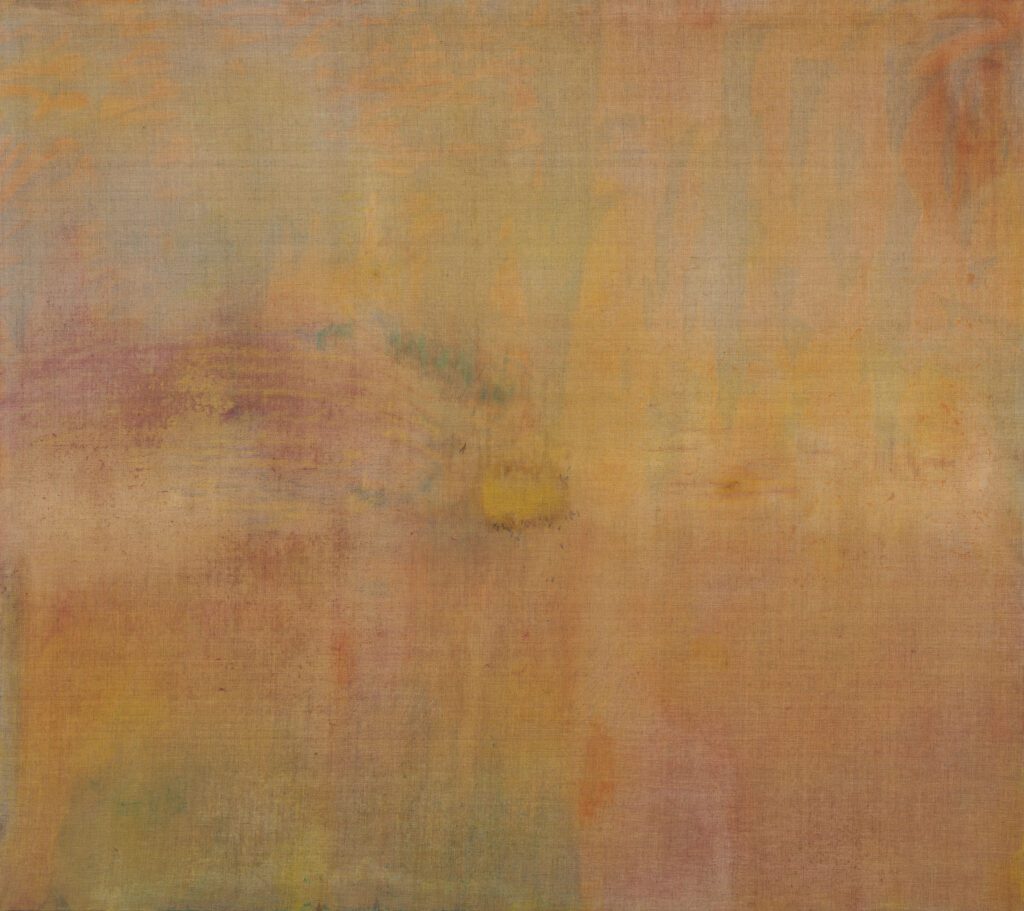
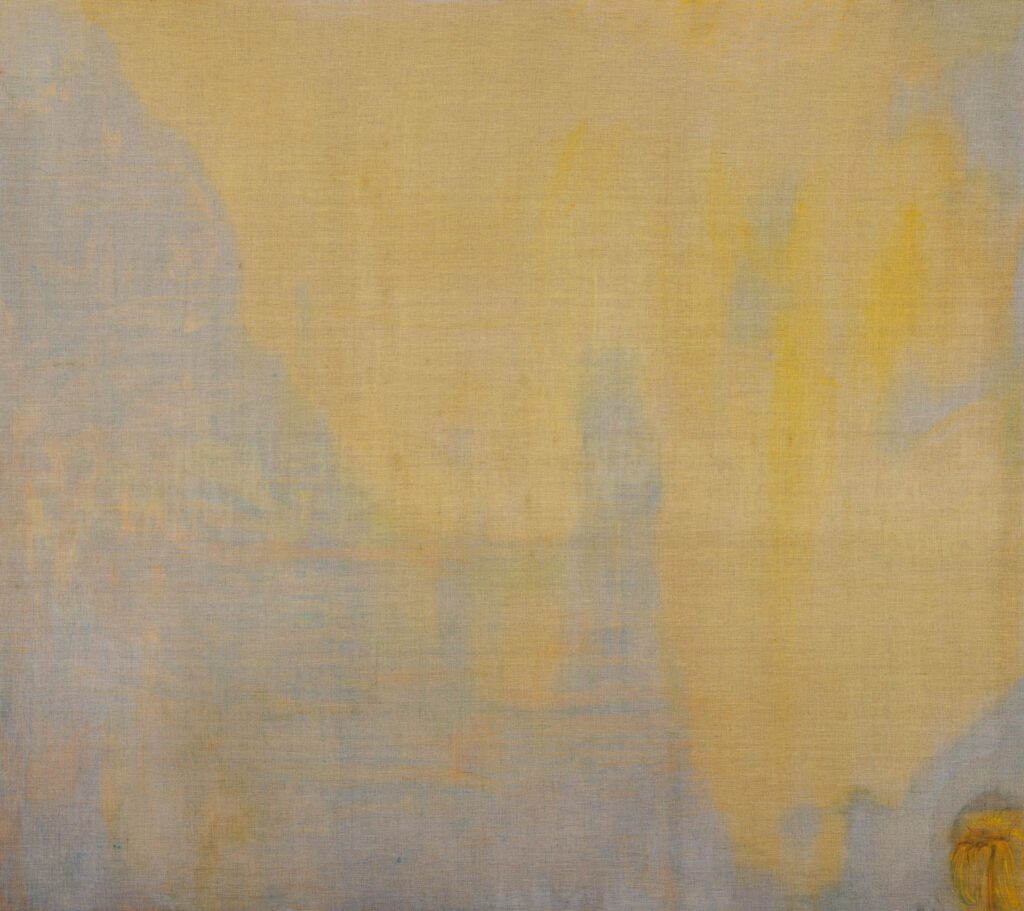
Zuzanna M. Szary Cook Book is the second chapter of Tender Buttons, in which the artist continues the themes and threads she raised earlier. This time, however, the central figure is Alice B. Toklas, author of the equally celebrated and subversive The Alice B. Toklas Cook Book, first published in 1954. It was this book that Szary turned to when creating her new cycle of paintings. These works — predominantly still lifes depicting fruits, vegetables, and fragments of animal bodies — take their titles from the names of Toklas’s own recipes, drawn directly from the book.
The Alice B. Toklas Cook Book is arguably the first queer autobiography in the form of a culinary memoir, one that both exposed and cleverly exploited the heteronormative underpinnings of the genre. Cookbooks, as Katharina Vester argues, have functioned since at least the late eighteenth century as instruments for disciplining gender, sexuality, and femininity. Having established heterosexual relations as the norm, they reflected, disseminated, and — above all — actively shaped the image of the ideal woman inscribed within them across successive centuries. Mastery of cooking, cleaning, and decorating, alongside command of etiquette, proper child-rearing, satisfying husbands, frugal housekeeping, shopping, maintaining a healthy lifestyle, clever interior arrangement, and building social bonds — these were the key aspects of women’s performance of a prescribed gender role. In this way, femininity in cookbooks became tightly bound to the heterosexual economy of the middle class.
Toklas destabilised the genre’s heteronormativity by weaving into the book accounts of fragments of her life with Gertrude Stein. Successive chapters and recipes became less strict instructions for preparing dishes and meals than records of memories from a life shared by two women. Lesbian romantic relations were thus inscribed into the cookbook, and the literary genre itself was effectively queered. Baroque abundance, shimmering colour, the sensuality of texture, afterimages drawn from reading Toklas and from the paintings in Stein’s collection, fragments of the body flowing seamlessly into food — these are the defining qualities of Zuzanna Szary’s new cycle. Her Cookbook is, on the one hand, a tender homage that the artist pays to Alice B. Toklas and, on the other — like its literary source — a transhistorical manifesto of Sapphic joy and togetherness.
Wojciech Szymański





 English
  Polish